
Wasp Exterminator Guide: How to Get Rid of Wasps Safely
Ah, summer in New York — backyard barbecues, kids playing outside, evenings on the deck. It’s also peak season for wasps, and a single nest tucked under an eave or deck railing can turn a peaceful yard into a danger zone fast. If you’ve ever been stung, you already know how quickly these insects can escalate a situation. While a small, isolated nest might be manageable on your own, most wasp problems are best handled by a licensed wasp exterminator who knows how to assess the nest, choose the right approach, and remove it without anyone getting hurt.
Hubert Moore Exterminator has been solving pest problems for New York families since 1970, providing pest control throughout Nassau County, Queens, and Manhattan. Here’s what you need to know about wasp infestations, how professional wasp extermination works, and when it’s time to call a wasp exterminator in.
Signs You Have a Wasp Infestation
Wasps build nests quickly, often in places you won’t notice until the colony is already established. Watch for:
- A visible nest under eaves, in attics, sheds, or wall voids
- Increased wasp activity around the same entry point or corner of your home
- A papery, honeycomb-like structure hanging from a ledge or tree branch
- Wasps entering and exiting a small gap in siding, brick, or a utility line penetration
- A faint rustling or buzzing sound coming from inside a wall or ceiling void
If you’re noticing several of these at once, the nest is likely more established than it appears from the outside — and more nest means more wasps defending it.
Common Types of Wasps in New York
Not all wasps behave the same way, and knowing what you’re dealing with changes the approach a wasp exterminator will take:
- Yellow Jackets — Aggressive and common near decks, sheds, and garbage areas. They often nest in the ground or inside wall voids, which makes them one of the more dangerous species to handle without training.
- Paper Wasps — Build open, umbrella-shaped nests under eaves and railings. Less aggressive than yellow jackets, but will defend a nest if disturbed.
- Bald-Faced Hornets — Build large, enclosed nests in trees or on the sides of structures. Highly defensive and capable of stinging repeatedly.
- Mud Daubers — Solitary wasps that build small mud tube nests. Generally non-aggressive, but often mistaken for more dangerous species.
If bees rather than wasps are the issue, the identification and removal process is different — see our bee control services for that side of stinging-insect removal.
DIY Wasp Removal vs. Hiring a Professional Wasp Exterminator
Store-bought wasp spray can work on a small, easily reachable nest — but it comes with real risk. Disturbing a nest without the right protective equipment can trigger a defensive swarm, and any wasps that survive an incomplete treatment will often rebuild in the same spot within days. Nests in wall voids, attics, or high locations are especially difficult to treat safely from the ground.
A professional wasp exterminator brings a few advantages a can of spray doesn’t: proper protective equipment, treatment timed for when wasps are least active, products and methods matched to the specific species, and a plan for sealing the entry point so the problem doesn’t come back. For anyone with a wasp allergy, or a nest in a hard-to-reach or high-traffic area, professional removal isn’t just more convenient — it’s the safer call. The CDC notes that a sting can trigger anaphylactic shock in workers and residents with allergies, which requires immediate emergency care — all the more reason to let a trained wasp exterminator handle anything beyond a small, low-risk nest.
What a Professional Wasp Extermination Service Includes
When you call in a licensed wasp exterminator for wasp extermination, here’s what the process typically looks like:
- Inspection. The technician identifies the wasp species, locates the nest, and assesses the size and severity of the infestation.
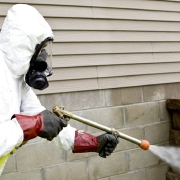
- Protective equipment. Technicians wear bee suits, gloves, and veiled hats to safely approach and treat the nest.
- Strategic timing. Treatments are often performed at dawn or dusk, when wasps are least active and most likely to be inside the nest.
- Targeted treatment. Depending on the nest’s location and accessibility, technicians may use direct spray application, dusting, or foam treatments formulated specifically for wasps.
- Nest removal. Once the colony is eliminated, the physical nest is removed to prevent scavenging pests and eliminate any pheromone trail that could attract new wasps.
- Sealing entry points. Gaps, cracks, and utility penetrations that gave wasps access are sealed to prevent a repeat infestation.
- Follow-up. A second visit may be scheduled to confirm the nest is fully cleared and no new activity has started.
How Much Does a Wasp Exterminator Cost?
Wasp exterminator pricing depends on the size of the nest, its location (ground-level vs. an attic or high eave), the species involved, and whether entry-point sealing is needed. A small, easily accessible paper wasp nest costs less to treat than a large yellow jacket colony inside a wall void. The most reliable way to get an accurate number is a quick phone call or an on-site inspection — we’re happy to give you a straightforward quote before any work begins.
How to Prevent Wasps From Returning
- Seal cracks, gaps, and utility penetrations around your home’s exterior
- Keep outdoor trash cans tightly sealed, especially in summer
- Remove standing water and trim back overgrown shrubs near the house
- Check eaves, sheds, and attics early in the season for new nest activity
- Consider a seasonal inspection if you’ve had recurring wasp problems in the past
When to Call a Wasp Exterminator Immediately
- Anyone in the household has a known wasp or bee sting allergy
- The nest is near a door, walkway, or another high-traffic area
- The nest is large, hidden inside a wall, or otherwise hard to reach
- You’ve already been stung multiple times trying to manage it yourself
- Wasps keep returning to the same spot after a DIY treatment
Frequently Asked Questions
How much does a wasp exterminator cost?
Pricing depends on nest size, location, and species. Call us for a straightforward quote — most jobs can be scheduled quickly once we know what we’re dealing with.
Is it safe to remove a wasp nest myself?
It can be, for a small, easily reachable nest and with the right precautions. Larger nests, nests in wall voids or attics, and any situation involving allergy risk are safer left to a licensed wasp exterminator.
What’s the difference between wasp extermination and wasp removal?
Wasp extermination refers to eliminating the live colony, while wasp removal typically refers to physically removing the nest structure afterward. A complete service includes both, plus sealing the entry point so wasps don’t rebuild there.
How do professional exterminators get rid of wasps safely?
Licensed technicians use protective equipment, treat nests during low-activity hours, apply species-specific products, and remove the nest and seal entry points once the colony is eliminated.
How long does it take to get rid of a wasp nest?
Most treatments are completed in a single visit, though a follow-up visit is sometimes scheduled to confirm the nest is fully cleared.
Do you treat wasps in Nassau County, Queens, and Manhattan?
Yes — we provide wasp extermination and removal throughout Nassau County, Queens, and Manhattan, along with the rest of our service area.
Get Rid of Wasps the Safe Way
Don’t risk a sting — or a repeat infestation — trying to handle a wasp nest on your own. Hubert Moore Exterminator has been providing licensed, insured pest control to New York families since 1970. Call us at (516) 353-3099 or contact us online to schedule a wasp exterminator visit today.