Winter Tips for Keeping Out Pests and Wildlife
Winter is the perfect time to take proactive measures against pests and wildlife. While colder temperatures naturally drive many critters outdoors, some animals and insects will still seek warmth, shelter, and food inside your home. Rodents, raccoons, squirrels, and even insects like ants and spiders can turn your home into a winter haven if left unchecked.
If you’ve noticed signs of pests or wildlife entering your property—or want to prevent issues before they start—this guide will provide practical DIY winter tips for keeping out pests and wildlife. Following these strategies can help protect your home and give you peace of mind, while also highlighting when it’s time to call in professionals like Hubert Moore Exterminator.
Why Winter Pest and Wildlife Prevention Matters
Even though winter weather reduces outdoor activity for many pests, the ones that find their way inside can cause serious problems:
- Rodents chew on wires, insulation, and wood, potentially creating fire hazards and structural damage. They can be a nuisance if their movements behind bedroom walls awaken people overnight.
- Wildlife, such as raccoons, squirrels, and opossums, can damage attics, roofs, vents, and chimneys.
- Insects, including ants and spiders, thrive indoors where it’s warm and can contaminate food or bite occupants.
Taking proactive steps now helps you avoid costly repairs and health hazards. Plus, implementing DIY measures shows you care about your property while giving you time to decide whether professional help is necessary.
Winter DIY Tips for Keeping Pests and Wildlife Out
Inspect Your Home for Entry Points
The first step in winter pest prevention is inspection. Walk around your home and check for gaps, cracks, or holes that pests or wildlife could use to enter. Pay special attention to:
- Door and window frames
- Chimneys and vents
- Roof edges and soffits
- Foundations and crawlspaces (especially 90 degree angles on foundations)
- Steps leading to doors
Small cracks can be entry points for mice, rats, and squirrels. Sealing these with caulk, steel wool, or mesh can significantly reduce the risk of invasions. If inspection seems overwhelming, a professional team like Hubert Moore Exterminator can help identify and seal hidden vulnerabilities.
Seal Doors, Windows, and Vents
Even tiny openings are enough for rodents and other wildlife to sneak inside. Check for:
- Loose weather stripping around doors
- Gaps under doors (including garage doors)
- Open vents or chimney openings
Adding door sweeps, vent covers, or chimney caps can keep unwanted winter guests out. Visit our services page to learn more about professional exclusion methods.
Keep Food Stored Safely
Rodents and pests are drawn to food, especially during the colder months when natural sources are scarce. Tips for keeping food out of reach include:
- Using airtight containers made of glass, metal, or plastic for pantry items
- Keeping food sealed and elevated in upper kitchen cabinets
- Cleaning crumbs and spills promptly using eye-level-surface-cleaning
These simple measures reduce attractants and make your home less appealing to pests.
Maintain a Clean and Clutter-Free Space
Pests and wildlife love clutter because it provides hiding spots. Winter is a good time to:
- Clear out piles of newspapers, boxes, or old furniture
- Keep basements, attics, and garages organized
- Regularly sweep and vacuum areas where pests might hide
A tidy home is less inviting to rodents, spiders, and other intruders.
Monitor for Rodent Activity
Mice and rats are some of the most common winter visitors. Signs to watch for include:
- Droppings near food or storage areas
- Chewed wires, insulation, cardboard, and plastic packaging
- Rustling or scratching sounds in walls or ceilings
- Foul odors or urine stains
If you spot any of these signs, it may be time to consult professionals through our contact page. Early intervention is key to preventing infestations.
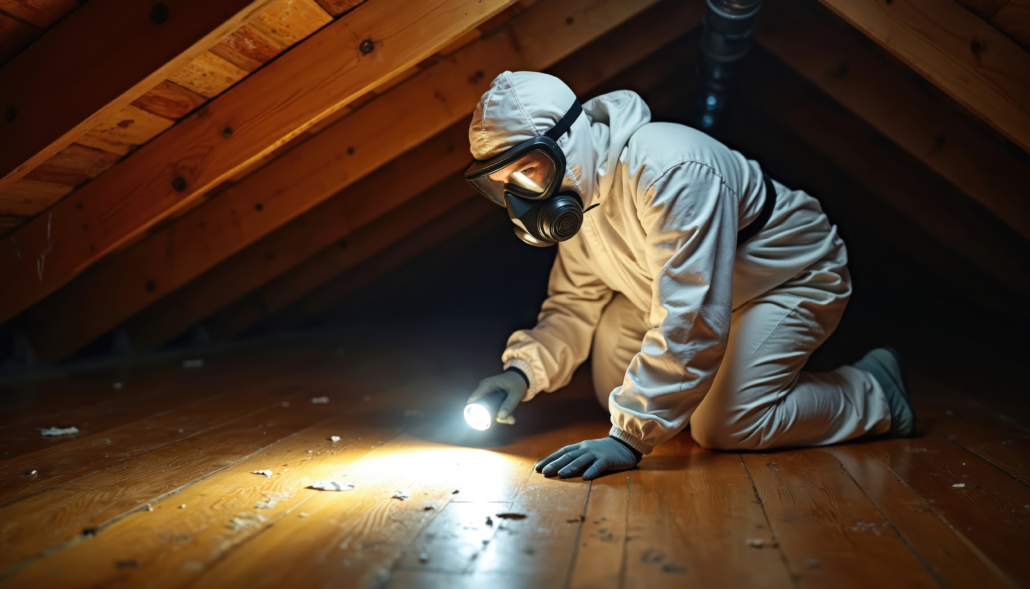
Protect Attics, Crawlspaces, and Garages
Wildlife such as squirrels, raccoons, and opossums often seek shelter in these areas. To protect your property:
- Install vent covers or chimney caps
- Seal openings in attics, basements, and along rooflines
- Keep garage doors closed when not in use
- Keep tree branches from growing too close to the house
Professional services from Hubert Moore Exterminator include referring an experienced and licensed trapper to remove wildlife and our specialty (exclusion), ensuring animals do not return.
Reduce Moisture Around Your Home
Moist environments attract pests such as ants. Winter can create condensation and leaks, so check for:
- Leaky pipes or faucets
- Poorly ventilated attics and basements
- Clogged gutters or drainage issues
A dry home is less likely to attract insects, making moisture control a critical part of winter maintenance.
Manage Firewood and Outdoor Storage
Rodents and insects are drawn to firewood and storage areas. Keep them in check by:
- Storing firewood at least 20 feet away from the house
- Regularly inspecting woodpiles for pests
- Keeping sheds and outdoor storage areas clean
These steps prevent pests from using stored items as winter shelters.
Set Traps or Deterrents When Necessary
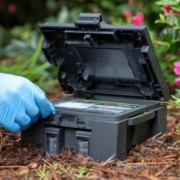
DIY traps can be effective against rodents or small wildlife. Always follow safety instructions and use humane methods when possible. Consider:
- Snap or live traps for mice and rats
- Repellents for outdoor wildlife
- Electronic deterrents for attics or crawlspaces
If DIY solutions aren’t enough, Hubert Moore Exterminator can implement professional-grade removal methods for lasting results.
Know When to Call the Experts
While DIY winter pest control can prevent minor issues, larger infestations or persistent wildlife problems require professional attention. Signs it’s time to call an exterminator include:
- Large rodent populations
- Wildlife in hard-to-reach areas (attics, chimneys, vents)
- Persistent insect infestations despite DIY efforts
Our team at Hubert Moore Exterminator has decades of experience in pest control and wildlife removal, providing safe, licensed, and insured solutions for residential and commercial properties.
Winter Pests and Wildlife You May Encounter
Common winter intruders include:
- Rodents – Mice and rats seek warmth indoors.
- Squirrels and raccoons – Can damage attics and insulation.
- Opossums and skunks – Look for sheltered dens in garages or crawlspaces.
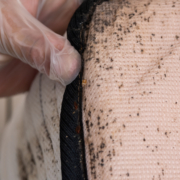
- Insects – Cockroaches, spiders, and bed bugs survive inside warm homes.
Understanding the types of pests likely to appear helps homeowners implement targeted prevention strategies.
Winter doesn’t have to be a season of pest and wildlife problems. By following these DIY winter tips for keeping out pests and wildlife, you can protect your home from damage, contamination, and unwanted guests.
Remember, while many preventive measures can be done on your own, professional support is often the fastest and most reliable way to resolve infestations. At Hubert Moore Exterminator, we combine decades of experience with humane and effective pest and wildlife solutions. From rodent control to wildlife removal and insect management, our licensed and insured team ensures your property stays safe and comfortable all winter long.
For more information or to schedule a consultation, visit our contact page or explore our services page.