The Homeowner’s Guide to Humane Wildlife Removal in Queens: What to Do When Raccoons or Squirrels Invade
Living in Queens, NY, offers the perfect blend of vibrant city life and beautiful, leafy, residential neighborhoods. However, this mix of urban infrastructure and abundant greenery also creates an ideal environment for local wildlife. While it is lovely to see squirrels playing in the local parks or the occasional raccoon passing through the alley, the situation quickly loses its charm when these animals decide to make your home their own.
Finding out that you have an uninvited animal living in your attic, walls, or under your porch can be an incredibly stressful experience. Not only can wildlife cause severe structural damage to your property, but they can also introduce health risks to your family and pets. When faced with an infestation, your first instinct might be panic, but taking the right, measured steps is crucial for a permanent solution. This comprehensive guide will walk you through everything you need to know about humane wildlife removal in Queens NY, how to identify an invasion, and why professional intervention is always your best option.
Need Immediate Help?
If you are currently hearing scratching in your walls, scurrying in your attic, or have spotted a wild animal taking up residence on your property, do not wait for the problem to multiply. Contact Hubert Moore Exterminator today at (516) 353-3099. We provide immediate, safe, and expert wildlife removal to restore the peace and safety of your home.
Common Wildlife Invaders in Queens, NY
To effectively deal with a wildlife problem, you first need to understand what you might be up against. Queens is home to a surprisingly diverse array of urban wildlife, but a few specific culprits are most likely to invade residential spaces.
1. Raccoons
Raccoons are incredibly intelligent, highly adaptable, and possess dexterous front paws that allow them to manipulate latches, pry off loose shingles, and open trash cans with ease. They are primarily nocturnal, meaning they do their foraging—and their home-wrecking—while you sleep. Raccoons often seek out warm, elevated spaces like attics or chimneys to build their dens, especially during the spring when females are looking for a safe place to raise their kids.
2. Squirrels
Unlike raccoons, squirrels are diurnal, meaning they are most active during the day, particularly in the early morning and late afternoon. These agile climbers can access your roof via overhanging tree branches or nearby power lines. Once on the roof, they can chew through wood, siding, and even soft metals to gain access to your attic. Squirrels are notorious chewers, and their habit of gnawing on electrical wires makes them a severe fire hazard in residential homes.
3. Opossums
Opossums are the only marsupials native to North America. While they generally prefer to live outdoors and are somewhat nomadic, they are opportunistic and will happily take shelter under your deck, porch, or shed if the opportunity arises. They are not as destructive as raccoons or squirrels when it comes to breaking and entering, but they can leave behind an immense amount of foul-smelling waste and often carry a heavy load of fleas and ticks.
4. Birds and Pigeons
While we often think of mammals when we hear “wildlife,” birds—specifically pigeons, starlings, and sparrows—frequently invade residential and commercial buildings. They nest in soffits, vents, and roof crevices. Their droppings are highly acidic and can corrode building materials over time, not to mention the respiratory diseases associated with dried bird guano.
Signs You Have a Wildlife Infestation
Wildlife creatures are remarkably good at staying out of sight. Often, you will hear or smell them long before you ever see them. Recognizing the early warning signs of an infestation can save you thousands of dollars in property damage.
- Unexplained Noises: This is usually the first indicator. The timing and type of noise can help identify the animal. Heavy, thumping sounds and dragging noises at night are classic signs of a raccoon. Fast, frantic scurrying and scratching in the early morning or late afternoon typically point to squirrels.
- Visible Property Damage: Inspect the exterior of your home regularly. Look for torn roof shingles, damaged fascia boards, holes in your soffits, or bent vents. Inside the home, look for torn insulation (often used for nesting material) and chewed electrical wires.
- Unpleasant Odors: As animals live in your home, they leave behind urine and feces. Over time, this buildup will create a strong, musky, and distinctly foul odor that can seep into your living areas. Furthermore, if an animal unfortunately passes away inside your wall voids, the smell will become unbearable within a few days.
- Droppings: Finding animal droppings in your attic, garage, or around the perimeter of your home is a definitive sign of activity. Raccoon droppings are roughly the size of a small dog’s but are often found in concentrated piles (latrines). Squirrel droppings resemble large grains of dark rice. Never touch wildlife droppings with your bare hands, as they can carry harmful parasites and bacteria.
- Pet Behavior: Dogs and cats have much sharper senses of smell and hearing than humans. If your pet is suddenly fixated on a specific wall, constantly sniffing a vent, or barking at the ceiling, they likely sense an animal hiding nearby.
The Dangers of DIY Wildlife Removal
When homeowners discover a pest problem, the first reaction is often to visit the local hardware store for traps or poisons. However, when it comes to wildlife, taking a Do-It-Yourself (DIY) approach is highly discouraged and incredibly risky.
Health and Safety Risks
Wild animals are unpredictable, especially when cornered, trapped, or protecting their young. A frightened raccoon or squirrel can become highly aggressive and inflict severe bites and scratches. Furthermore, these animals are vectors for diseases. Raccoons are a primary carrier of the rabies virus in the Northeast, and their feces can contain roundworm eggs which are dangerous if inhaled or ingested. Attempting to handle these animals without professional protective gear puts your health directly on the line.
The “Orphaned Babies” Dilemma
One of the most common mistakes DIYers make is trapping and removing a single adult animal, not realizing it is a mother. If a mother raccoon or squirrel is removed, her helpless babies are left behind in your attic or walls. Without their mother, the babies will slowly starve to death, resulting in a horrific odor that requires cutting into drywall to remove the carcasses. A professional knows how to identify if young are present and will ensure the entire family is removed together.
Legal Restrictions
Wildlife control is heavily regulated. In New York, there are strict laws regarding the trapping, transporting, and relocating of wild animals, particularly rabies-vector species like raccoons. Relocating an animal without the proper licenses or handling them improperly can result in hefty fines.
What is Humane Wildlife Removal?
As awareness of animal welfare and environmental ecosystems grows, more homeowners are seeking out humane wildlife removal in Queens NY. But what exactly does “humane” mean in the context of pest control?
Humane wildlife removal focuses on solving the human-animal conflict without causing unnecessary harm, stress, or death to the animal. It operates on the philosophy that these creatures are not malicious; they are simply trying to survive and find a convenient, warm shelter in your home.
Instead of relying on lethal snap traps, harmful poisons, or dangerous glue boards, humane removal utilizes live-catch traps, one-way exclusion doors, and physical removal techniques. Once the animal is safely captured, professionals follow local and state guidelines to either safely release the animal in a suitable habitat or reunite mothers with their young outside the home.
Most importantly, humane wildlife removal goes beyond just taking the animal away. It focuses heavily on exclusion. If you trap a raccoon but leave the hole in your roof wide open, another raccoon will simply move in next week. Humane removal professionals seal up your home to prevent the problem from ever happening again, providing a long-term, ethical solution.
The Hubert Moore Exterminator Approach
At Hubert Moore Exterminator, we have been providing top-tier services to commercial and residential locations in New York City, Queens, and Nassau County since 1970. As a second-generation, family-owned company, we understand that your home is your sanctuary.
We don’t believe in quick fixes or inhumane practices. We take pride in our comprehensive, two-step procedure for permanent, humane animal removal. If necessary, we will recommend a licensed wildlife trapper.
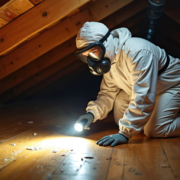
- Thorough Inspection and Diagnosis: We don’t just guess. One of our professional, certified wildlife catchers will thoroughly inspect your entire property. We examine the wildlife trails, identify the specific species through droppings and footprints, and locate every single potential entrance point—from the foundation to the peak of the roof.
- Exclusion: This is the most critical step. In accordance with government desires to decrease pesticide usage, a distinctive trait of our company is doing the necessary handiwork to physically exclude pests from buildings. As long as the hole(s) are not too big for us, we repair the damage and seal up the entry points with robust, animal-proof materials. If a hole is too big for us, we will show it to you and recommend a handyman or construction person seal the hole(s). To see what our past clients have to say about our professionalism and success rate, feel free to read our Reviews and learn more About Us.
How to Prevent Future Wildlife Invasions
Once your home has been cleared and secured by a professional, there are several proactive steps you can take around your property to make it less attractive to wandering wildlife:
- Secure Your Trash: Raccoons and opossums are drawn to the smell of food waste. Ensure all your outdoor garbage cans have tight-fitting, lockable lids. If possible, store trash cans inside a garage or shed until collection day. Strapping a bungee cord across the top of the lid provides added protection.
- Trim Trees and Shrubs: Squirrels and raccoons use tree branches as a highway straight to your roof. Keep all tree limbs trimmed at least six to eight feet away from the exterior of your house.
- Remove Outdoor Food Sources: Avoid leaving pet food outside overnight. If you have bird feeders, invest in squirrel-proof models and regularly clean up the spilled seed on the ground, which can attract both rodents and larger wildlife.
- Maintain Your Exterior: Regularly inspect your home for wear and tear. Replace rotting fascia boards, fix broken vent covers, and ensure your chimney has a sturdy, professionally installed chimney cap.
Reclaim Your Home Today
Dealing with a wildlife invasion in your Queens home is disruptive, noisy, and potentially dangerous. But you do not have to handle it alone, and you do not have to resort to inhumane or illegal methods to solve the problem. By understanding the signs of an infestation and choosing a professional, ethical approach, you can protect your property and respect the local wildlife at the same time.
Ready to Evict Your Unwanted Guests?
Stop losing sleep over scratching in the ceiling. Let the experts at Hubert Moore Exterminator diagnose your wildlife problem and provide a permanent, humane solution either through us or through a licensed wildlife trapping company. We are available from 7 AM to 5 PM EST (M-F) to respond to your needs.
Contact Us Today to schedule your comprehensive property inspection, or call us directly at (516) 353-3099.